This post is part of a series about our weeklong trip to northern Piedmont region (Milan, Modena, and Alba)
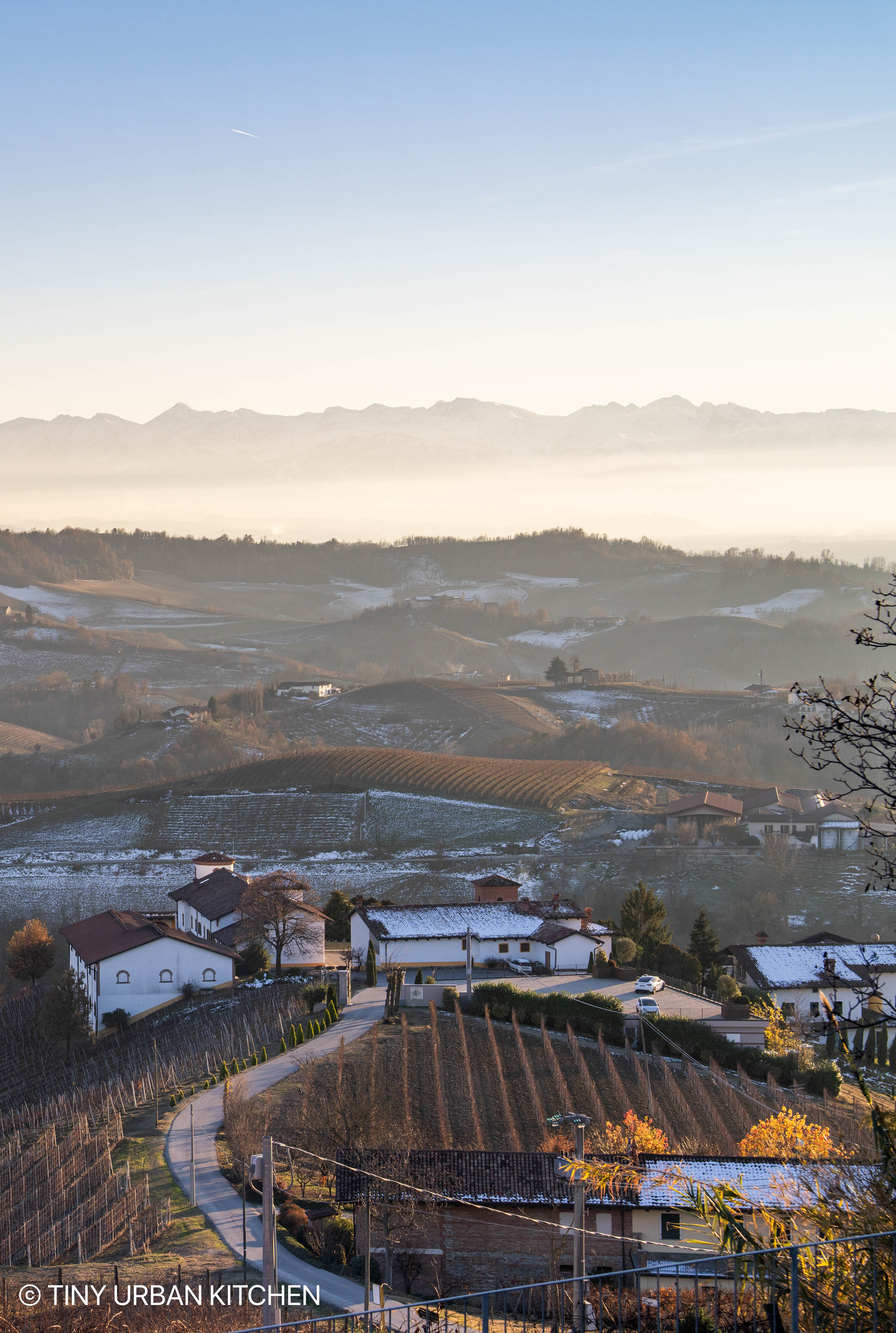
After a satisfying truffle lunch at La Cantina, our guide Evan drove us to our second and final winery stop of the day: a much smaller and intimate woman-owned winery: Anna Maria Abbona, located in the high-altitude hills of Farigliano, just next to Dogliani.
Story of a Female Winemaker
Anna Maria’s story is really interesting, and she was certainly a female winemaker ahead of her time. In this part of Italy, vineyard land historically passed down to the first male child. Because Anna Maria was an only child, many in the area just assumed the family's winemaking lineage would end with her father.
In her early twenties, Anna Maria wasn't particularly interested in the wine business, and worked as a graphic designer instead. However, in 1989, following a tough economic period for local grape growers, her father told her he had made the decision to sell the family vineyards and move to the city.
Anna Maria felt quite torn about this. She couldn't bear to watch her family's deep roots be sold away. She made the decision to quit her designer job, return to the farm with her husband Franco, and convince her father to let them take over instead.
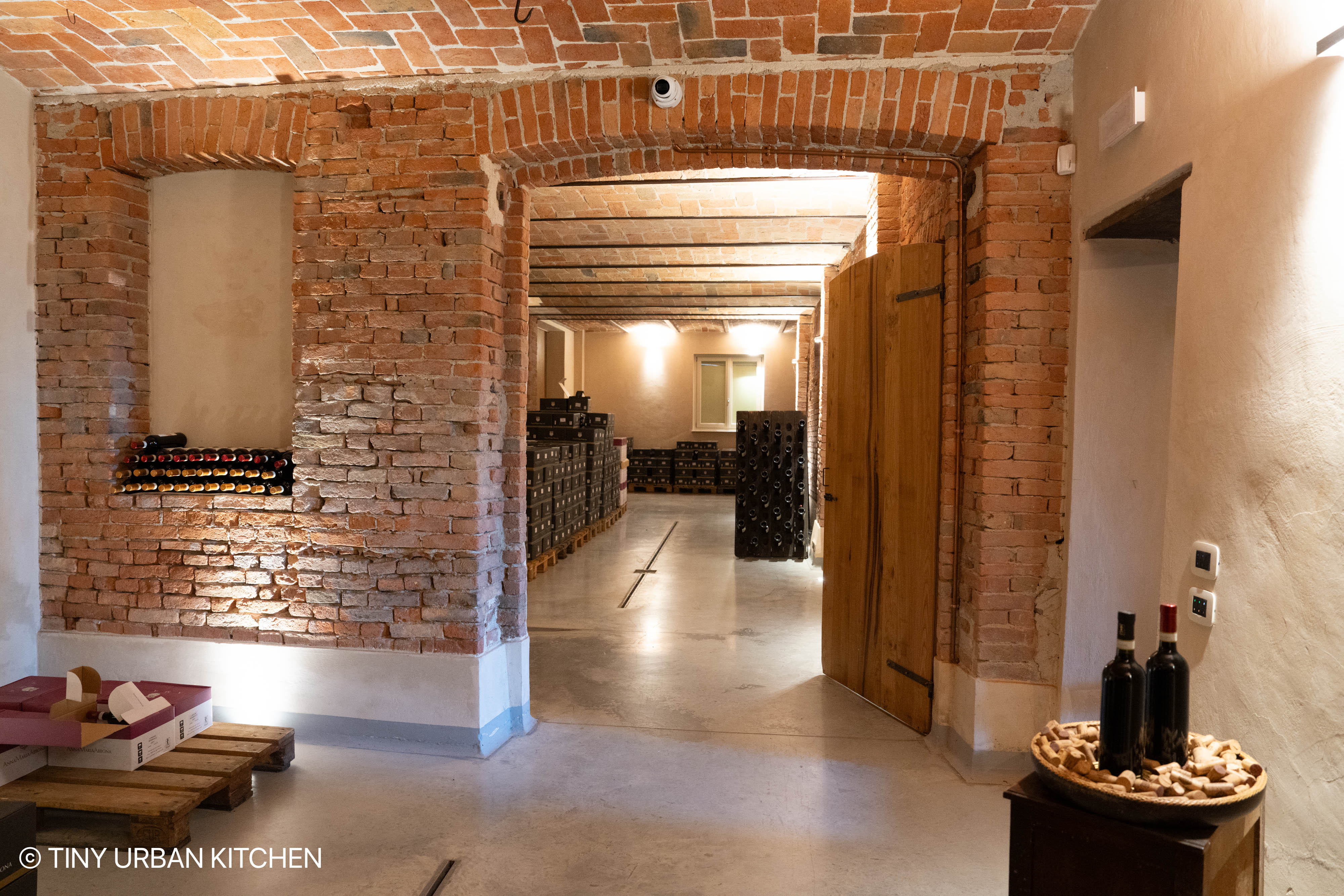
Starting out as a young woman winemaker in the late 1980s wasn't easy. She faced quite a bit of skepticism from men in the industry who believed that women couldn't make good wine. But Anna Maria soldiered on, working hard to make quality wine despite the naysayers.
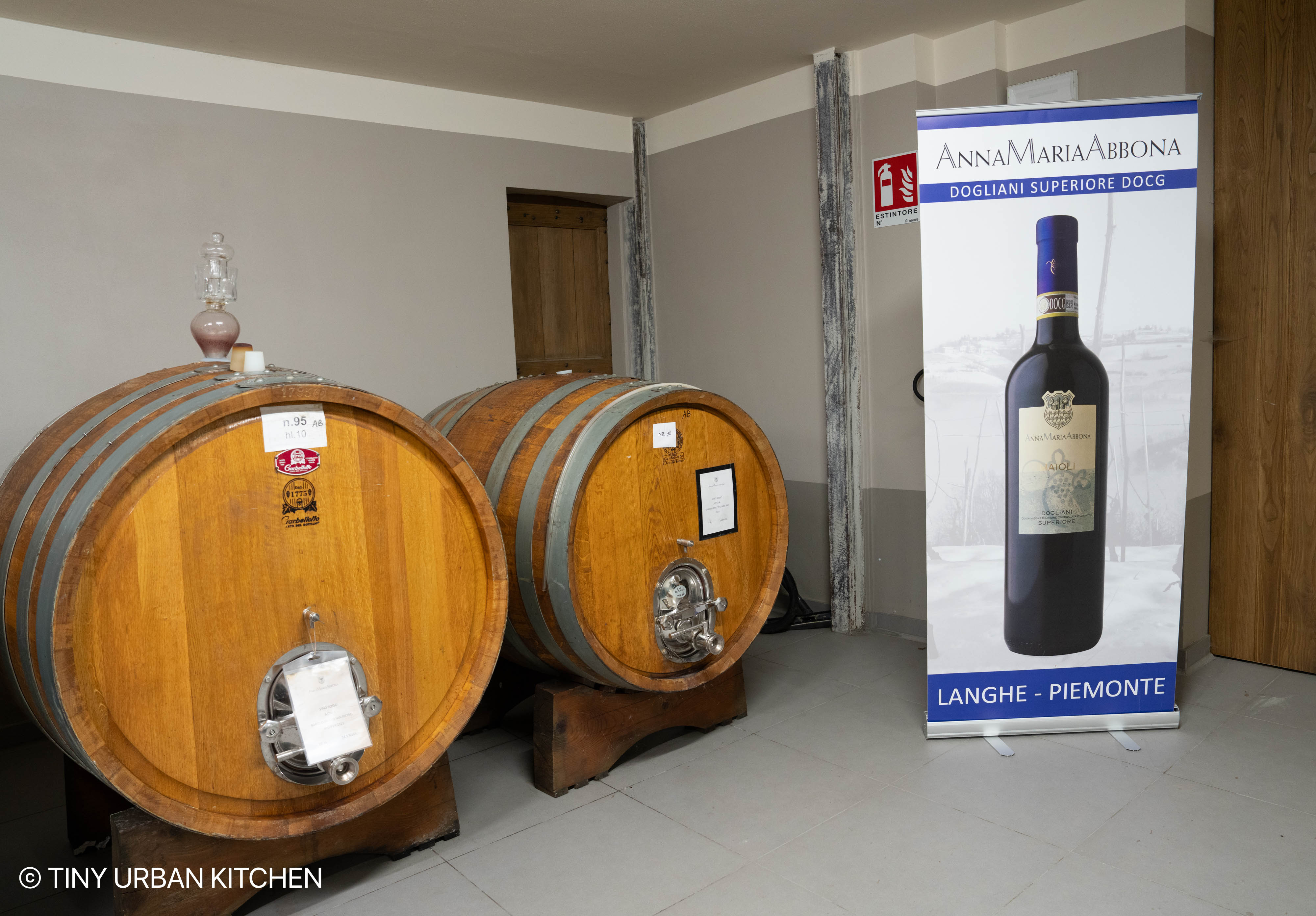
Through a lot of hard work, Anna Maria flourished. Today, the winery makes many different wines. Anna Maria is a well respected winemaker. She also continues to use her graphic design talents, designing ALL of her own wine labels.
Tasting So Many Wines
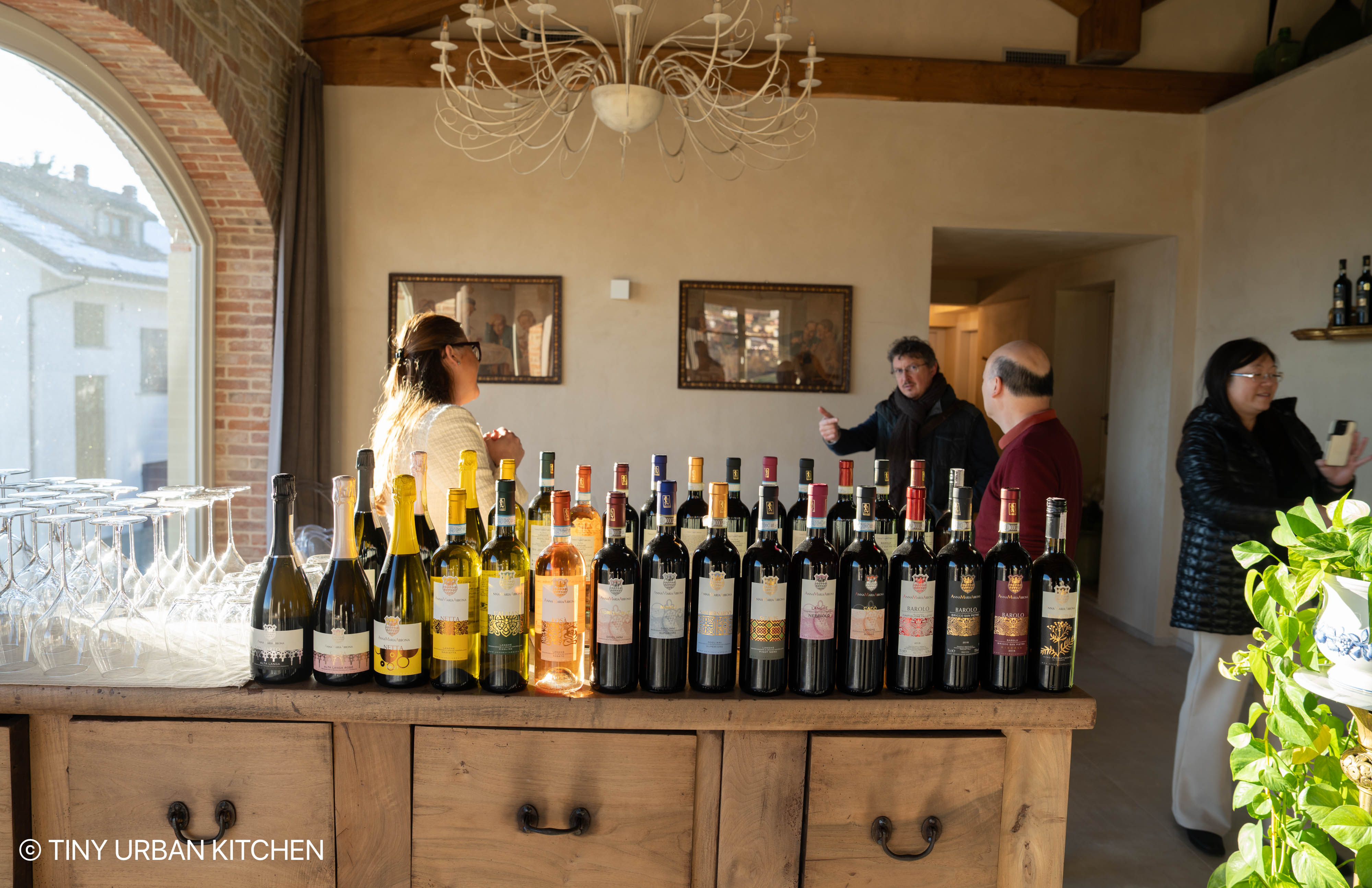
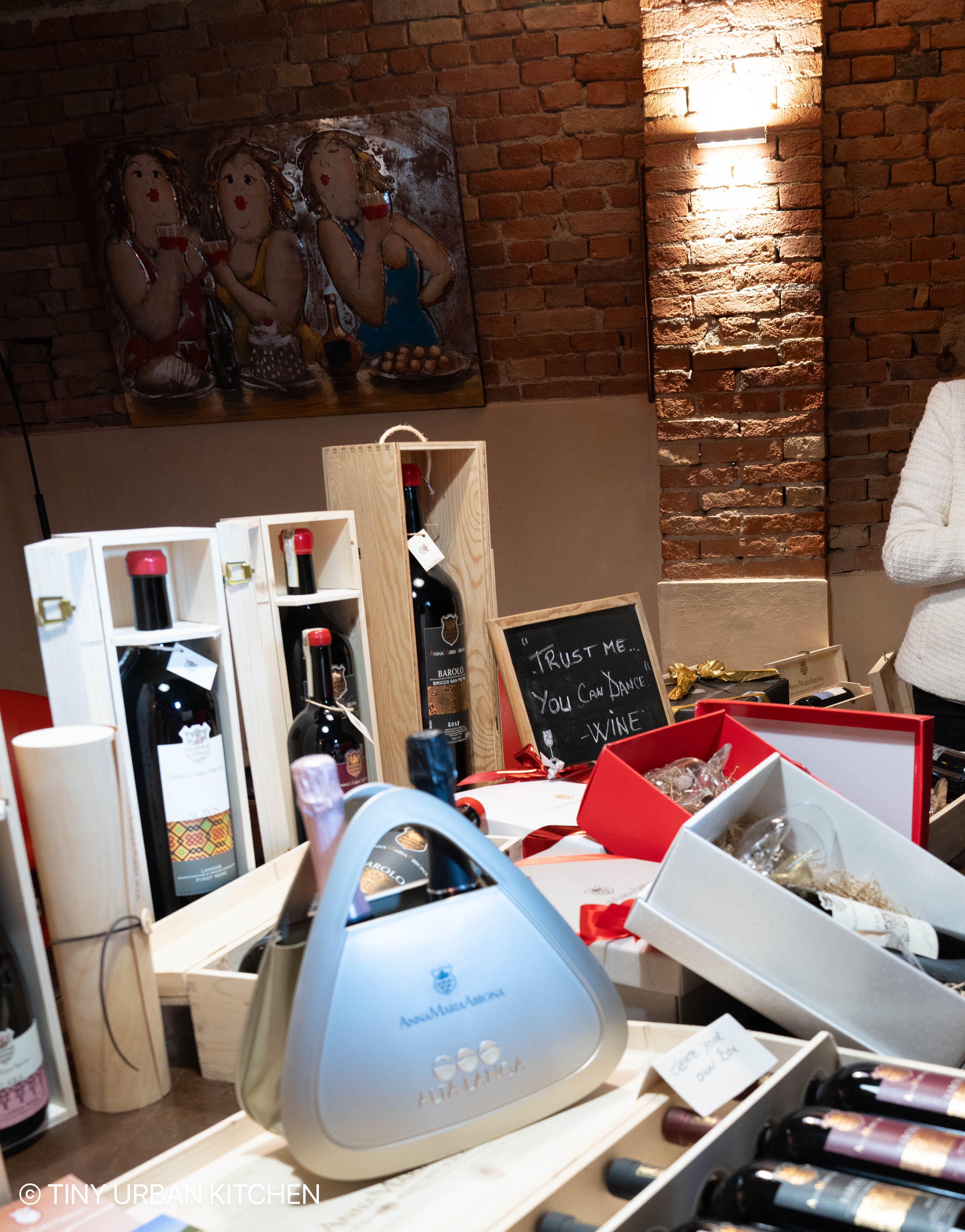
One thing we really appreciated about Anna Maria is her willingness to experiment. She isn't afraid to try many different things, and as a result, she's made a large selection of different types of wines. While her estate is historic for its old-vine Dolcetto (the region’s signature grape), she has expanded into a wide array of varietals.
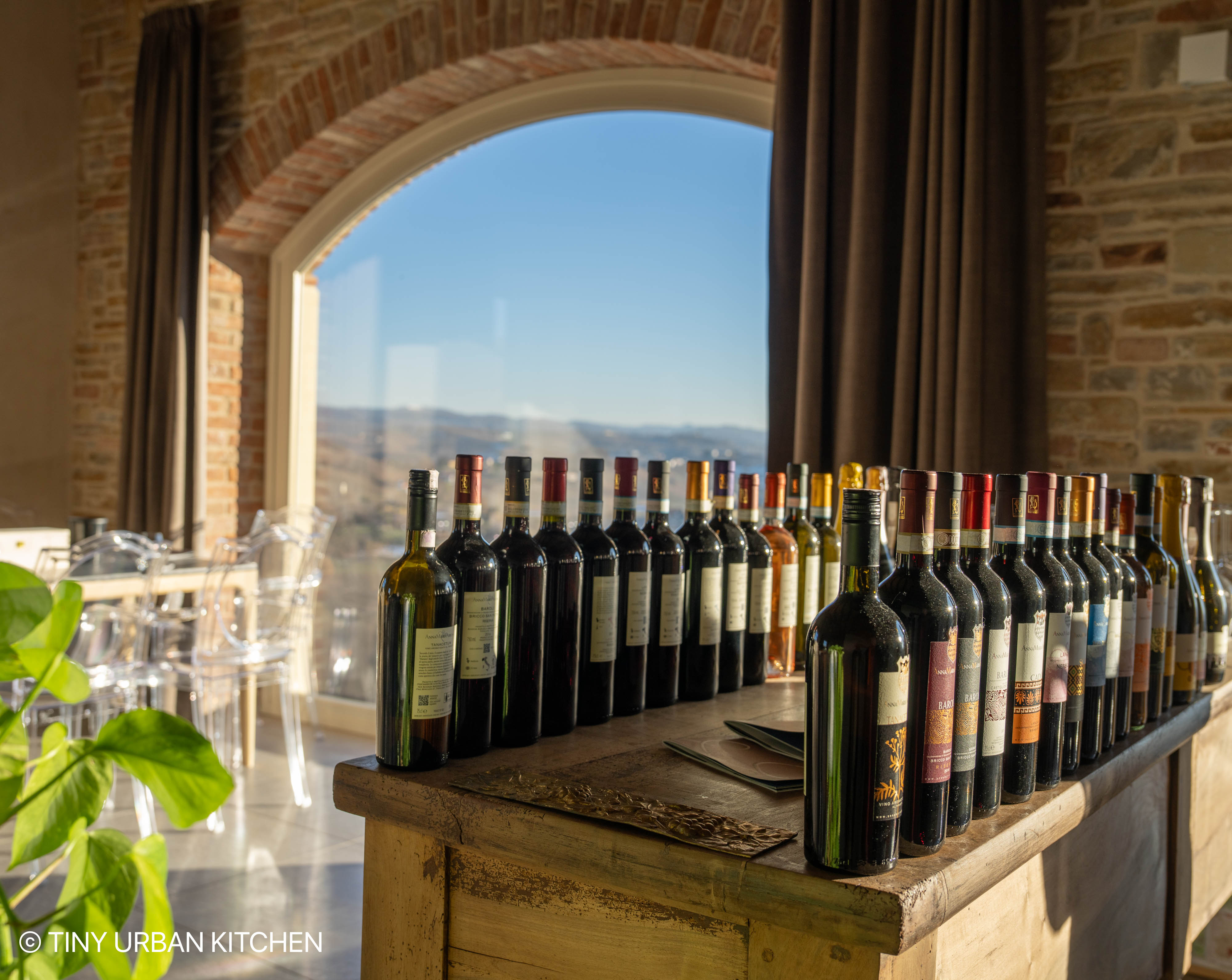
She makes everything from indigenous whites like Nascetta and Riesling, to classic regional reds like Barbera and Nebbiolo, and even high-end Barolo and sparkling Alta Langa wines.
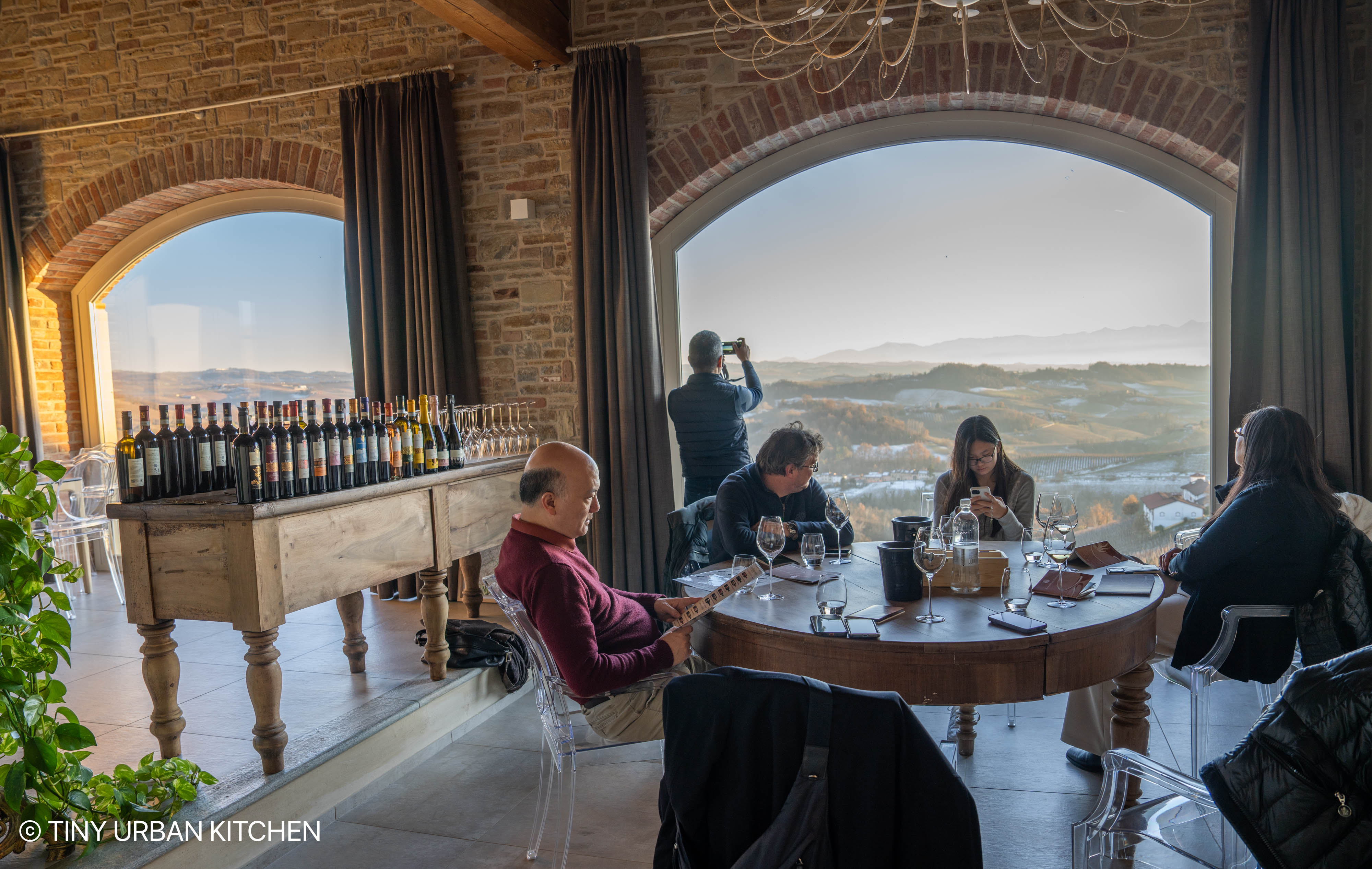
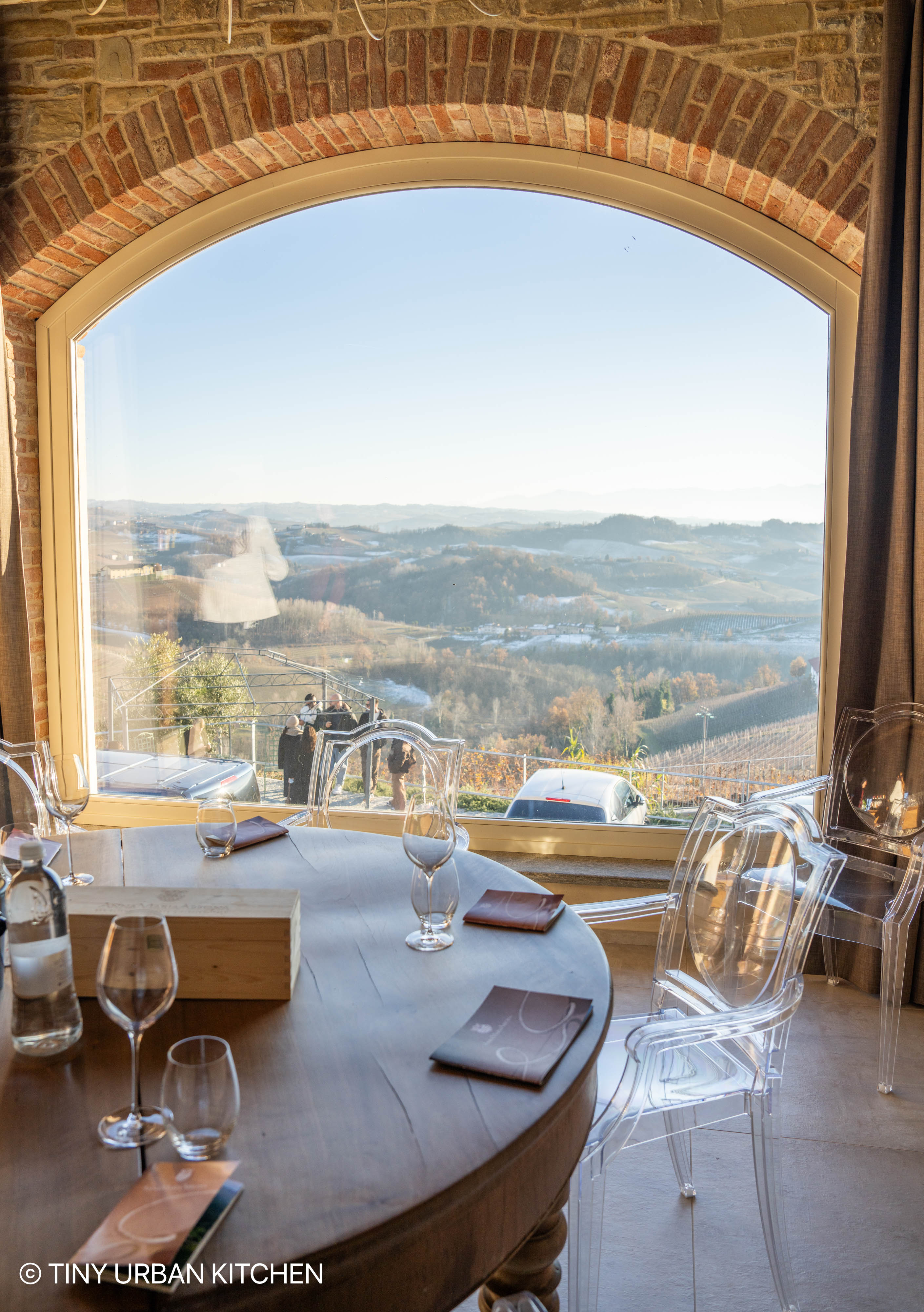
After hearing her story and getting a tour of the winery, we sat down in a gorgeous room overlooking a stunning vista of vineyards. We tasted a number of wines, and enjoyed them so much we bought a case to ship home (yes, they ship to Hong Kong!).
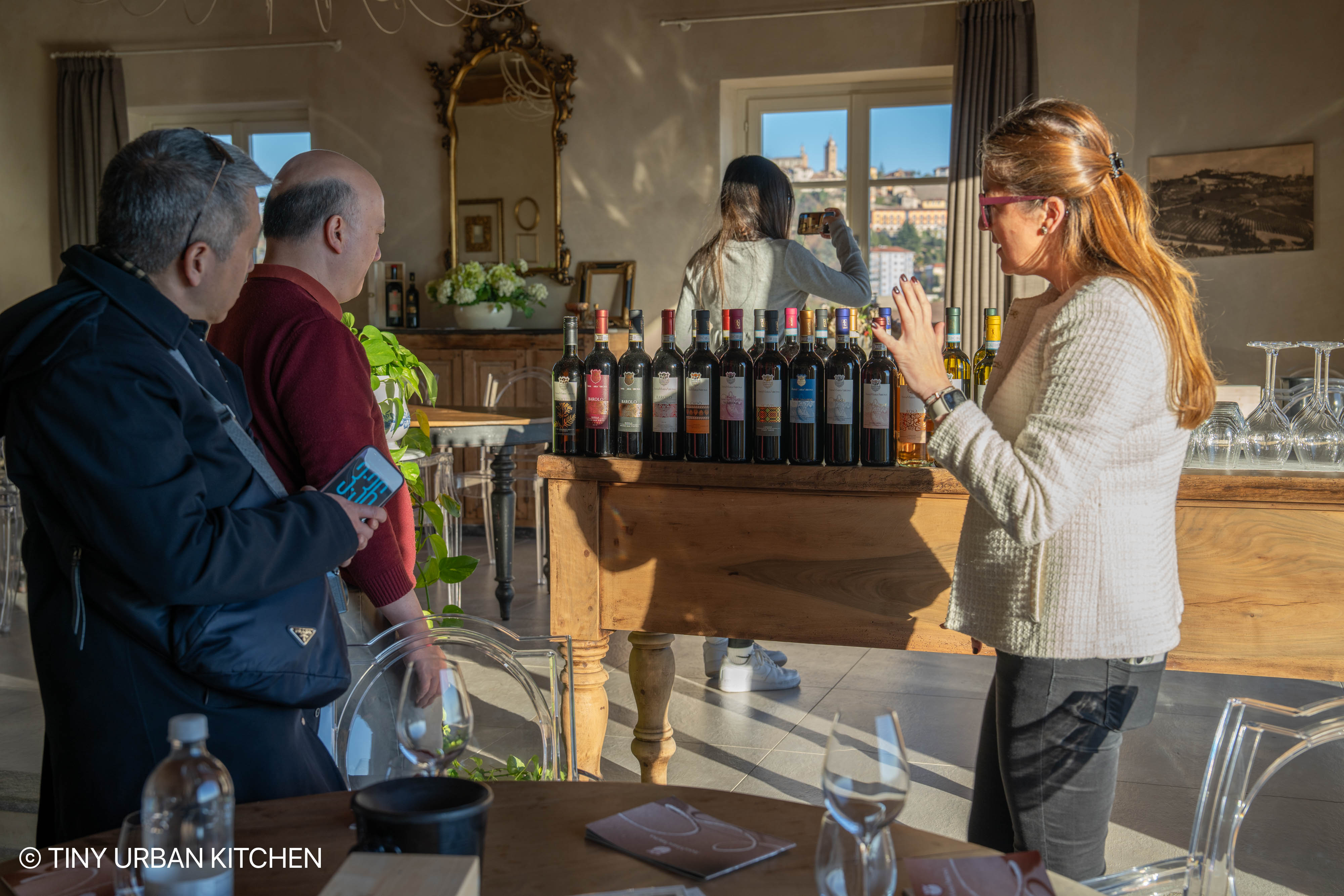
The price point of her wines is generally a bit lower than Ceretto. Bryan though her wines would make great "everyday" wines.
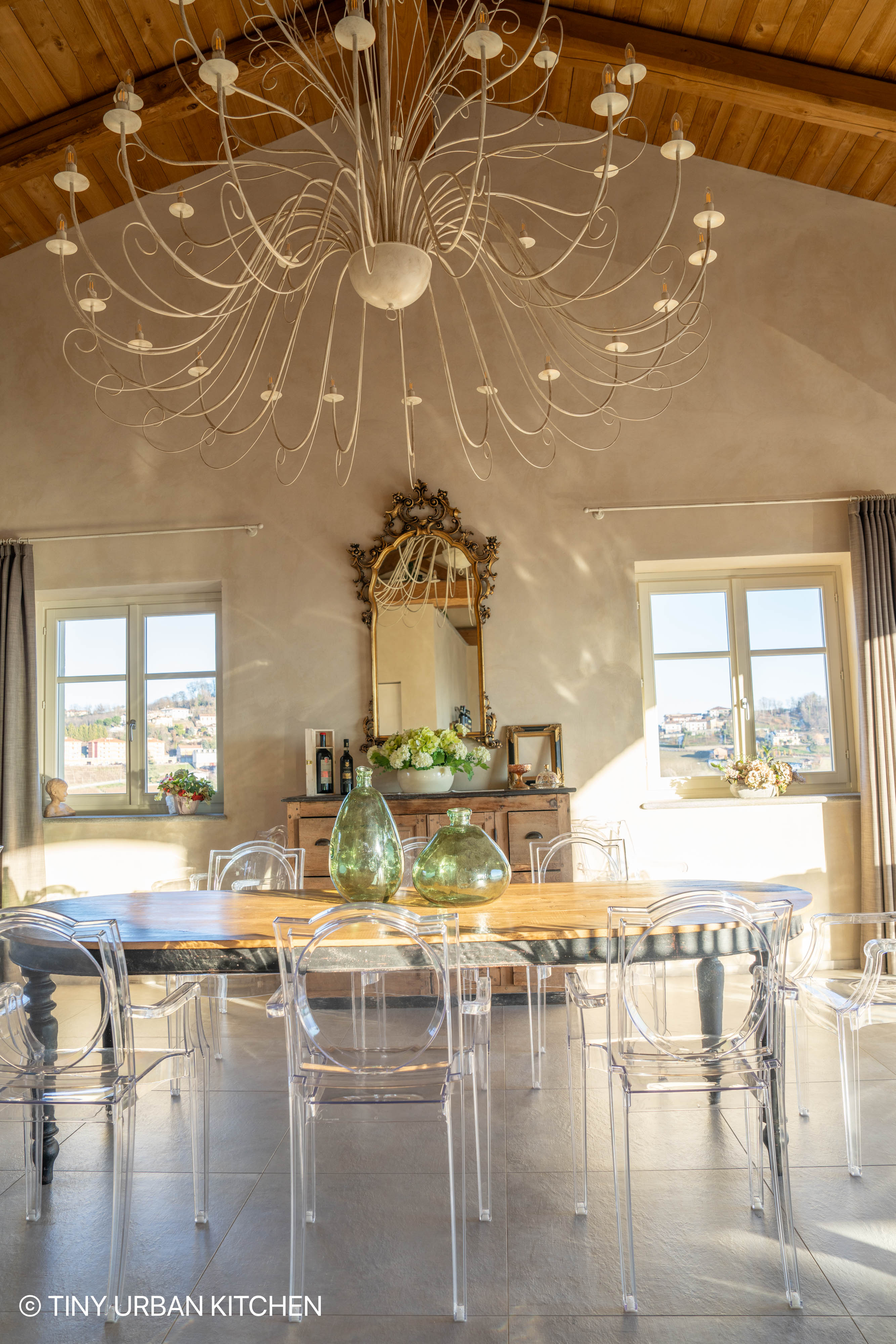
Spending the late afternoon sipping various wines was a wonderful way to conclude our dedicated day exploring the wine region.