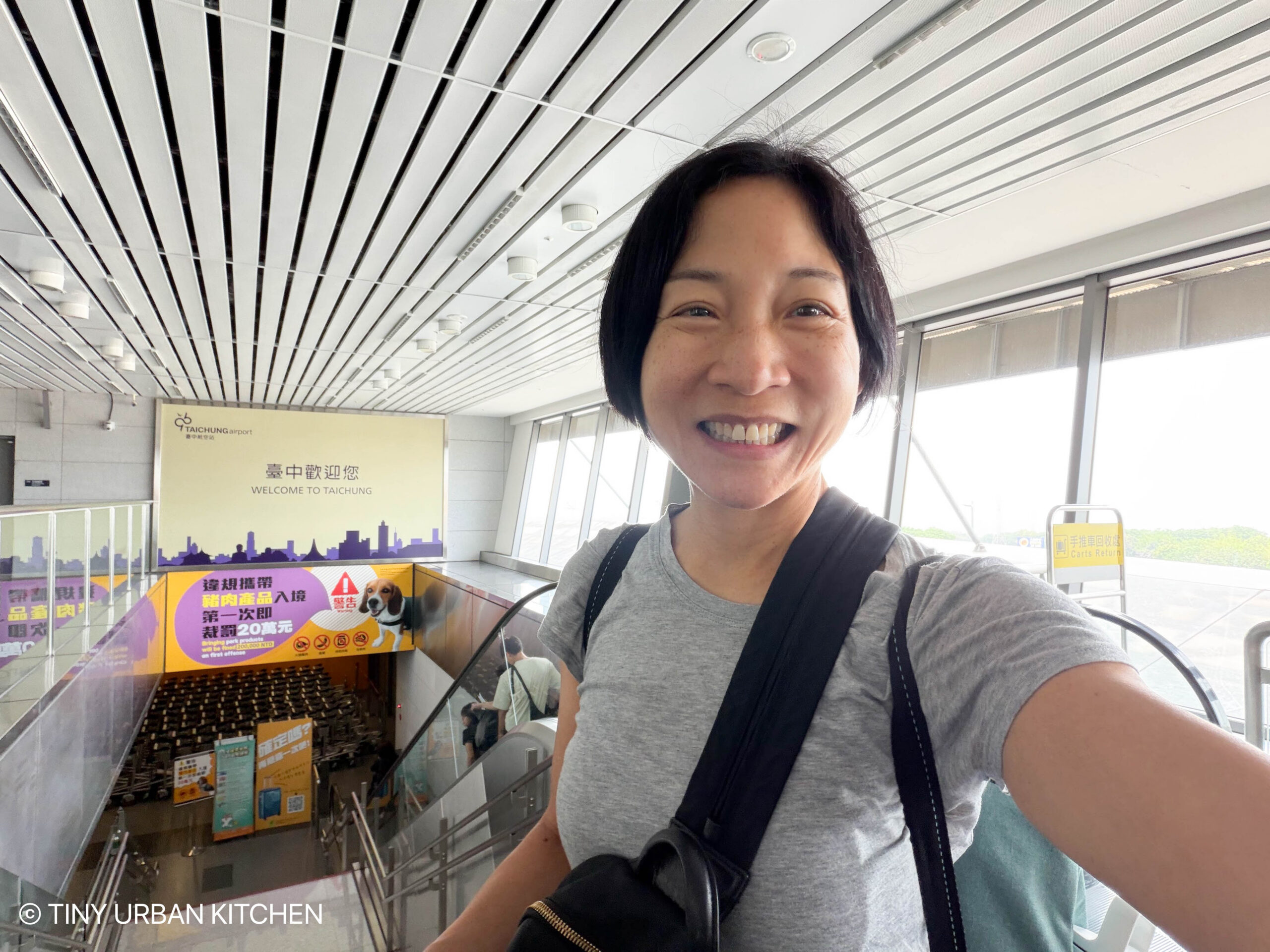
This is part 1 of a 3-part series on my 48 hour trip to Taichung, Taiwan, my mom's hometown.
“I’m going to be in Taiwan in mid-April. Do you want to join me in Taichung for a few days?” My sister messaged in about a month ago.
To be honest, the timing wasn’t great. I had just traveled to New York City, returning to Hong Kong the first week of April. I had another trip to the US (Boston), at the end of April. As such, I only had 2 precious weeks in Hong Kong in between.
But it’s my sister. She lives in Boston. It’s not every day I have a chance to hang out with her in Asia.
So, I did it. I took a few days out of my precious 2 weeks and flew to our mom’s hometown of Taichung. We spent the entire two days with our Taiwanese uncle and his wife. I loved the language immersion, especially having ample opportunities to practice my (very bad) Taiwanese dialect. (My sister and I grew up listening to it at home, so we can understand it, but we never spoke it, so we sound laughably terrible).
We also packed in A LOT in 2 days, visiting some top sites in Taichung while enjoying many local foods. The Night Market is especially fun! (separate post on that!)
Here’s a summary of our trip!
Stop 1: Chingshui Tzu Yun Yen 清水紫雲巖 and Wang Ta “Bi-guh” (王塔米糕店)
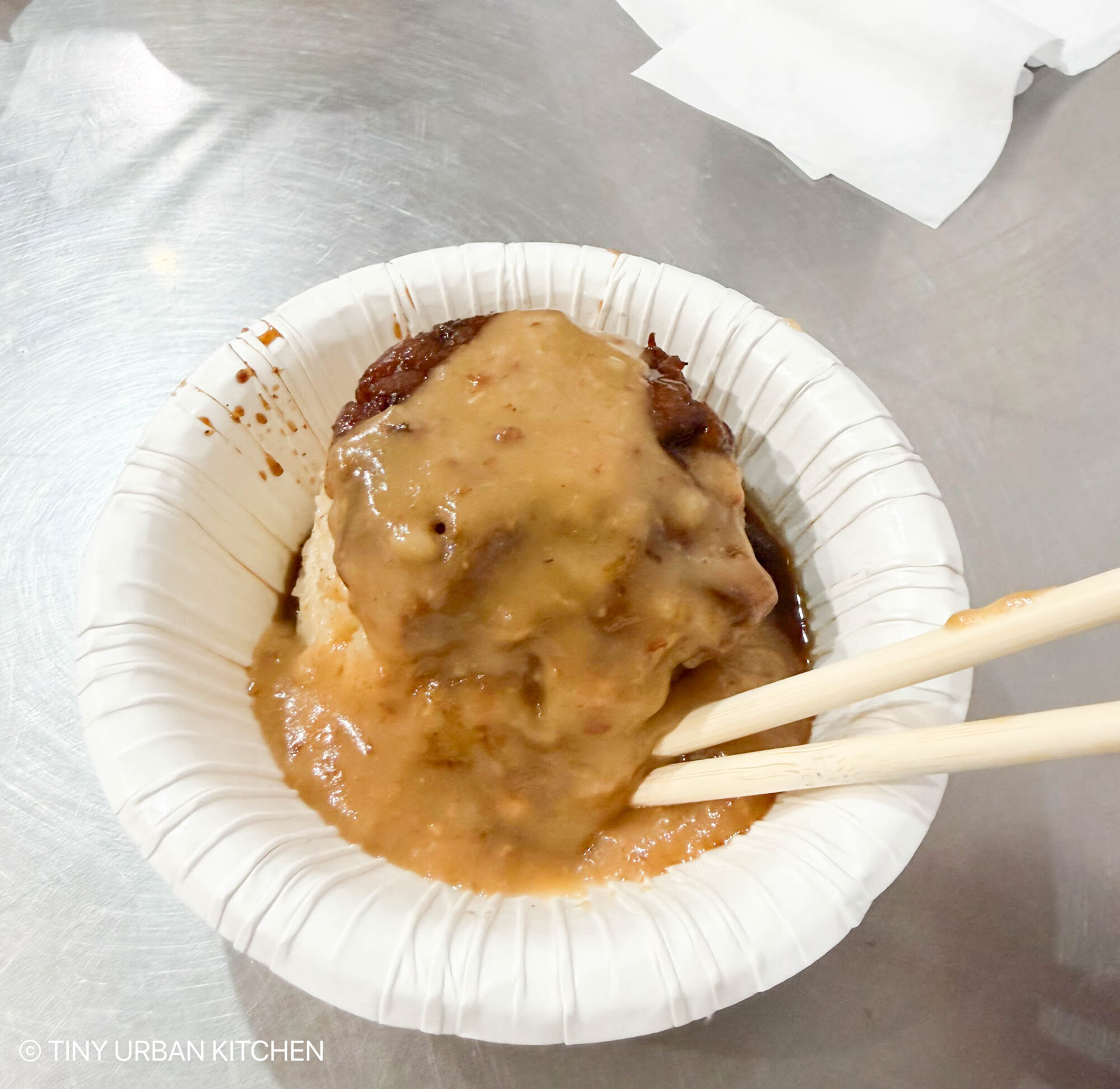
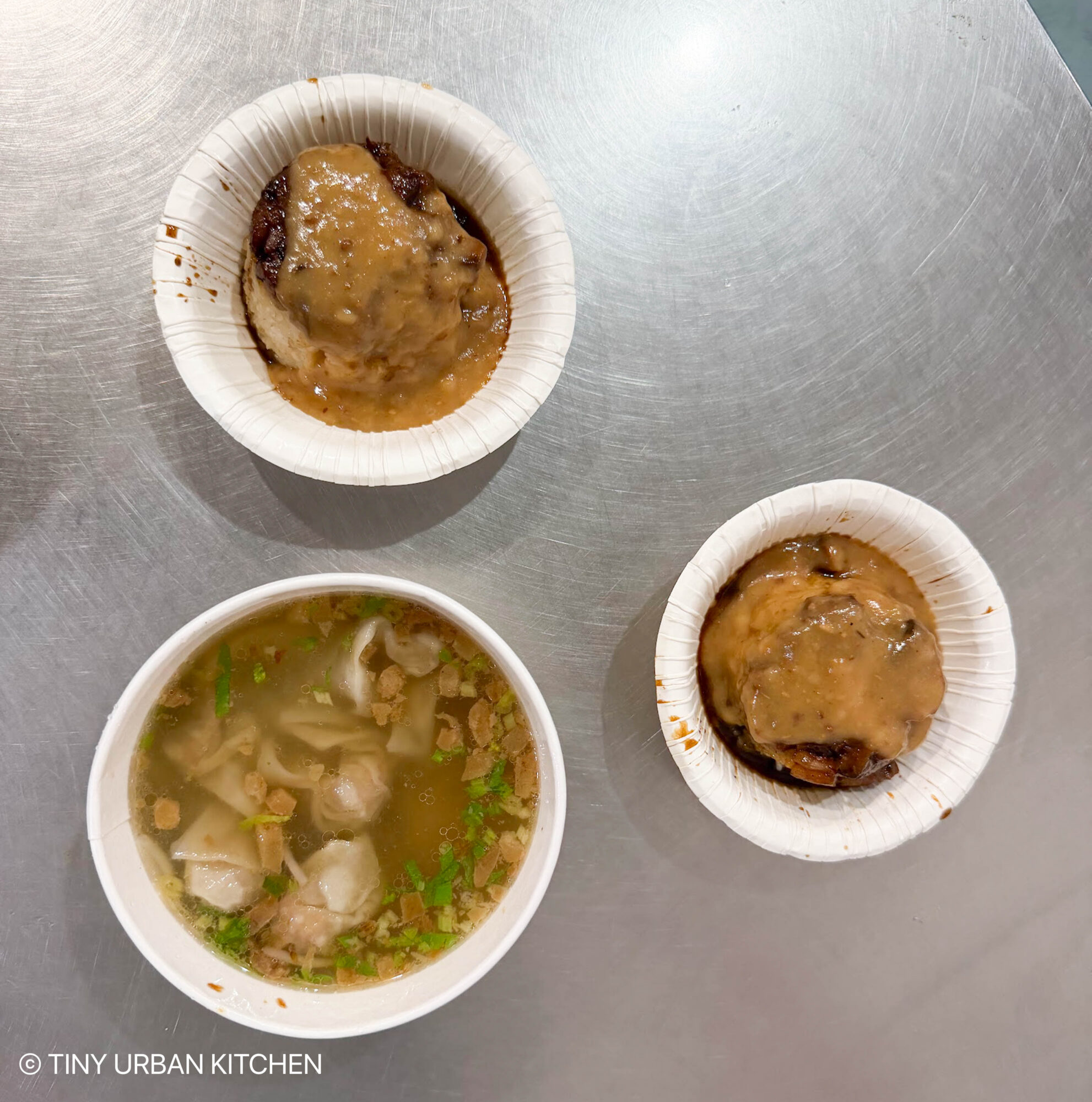
A very classic Taiwanese dish that reminds me of an inverted “zongzi” (rice dumpling): It consists of glutinous rice topped with a flavorful mixture of pork belly and other spices, topped off with a flavorful (secret?) brown sauce. Wang Ta, a small eatery located within walking distance of the temple, is famous for bi-guh and has selling this dish since 1946.
Stop 2: GaoMei Turbine Avenue and Wetlands
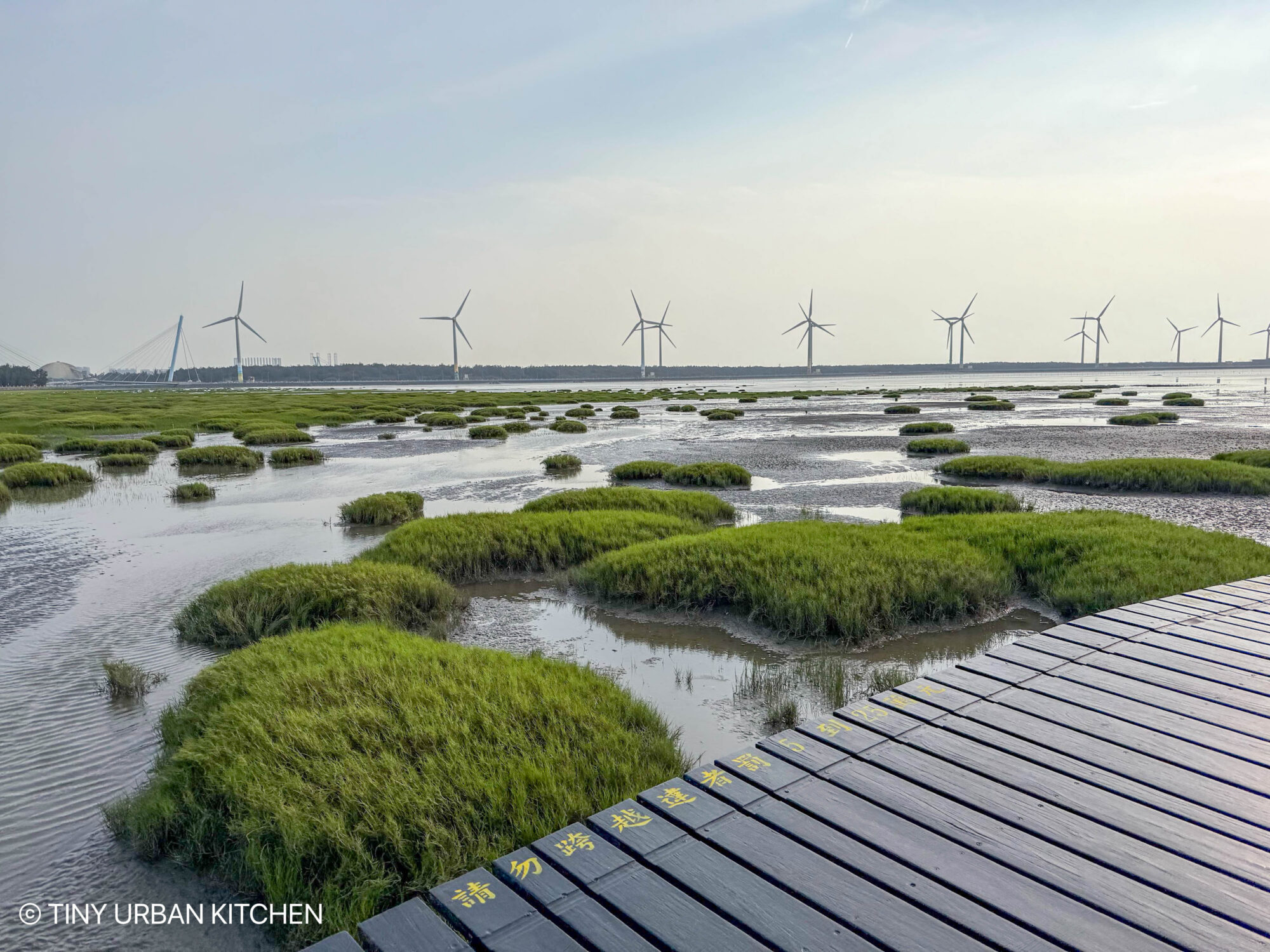
Located on the coast of Taichung's Qingshui District, Gaomei Wetlands is an ecological conservation area known for its expansive tidal mudflats and a long wooden boardwalk. Running directly alongside the area is Gaomei "Windmill Avenue", a 1.5-kilometer stretch of coastal road lined with giant, active windmills.
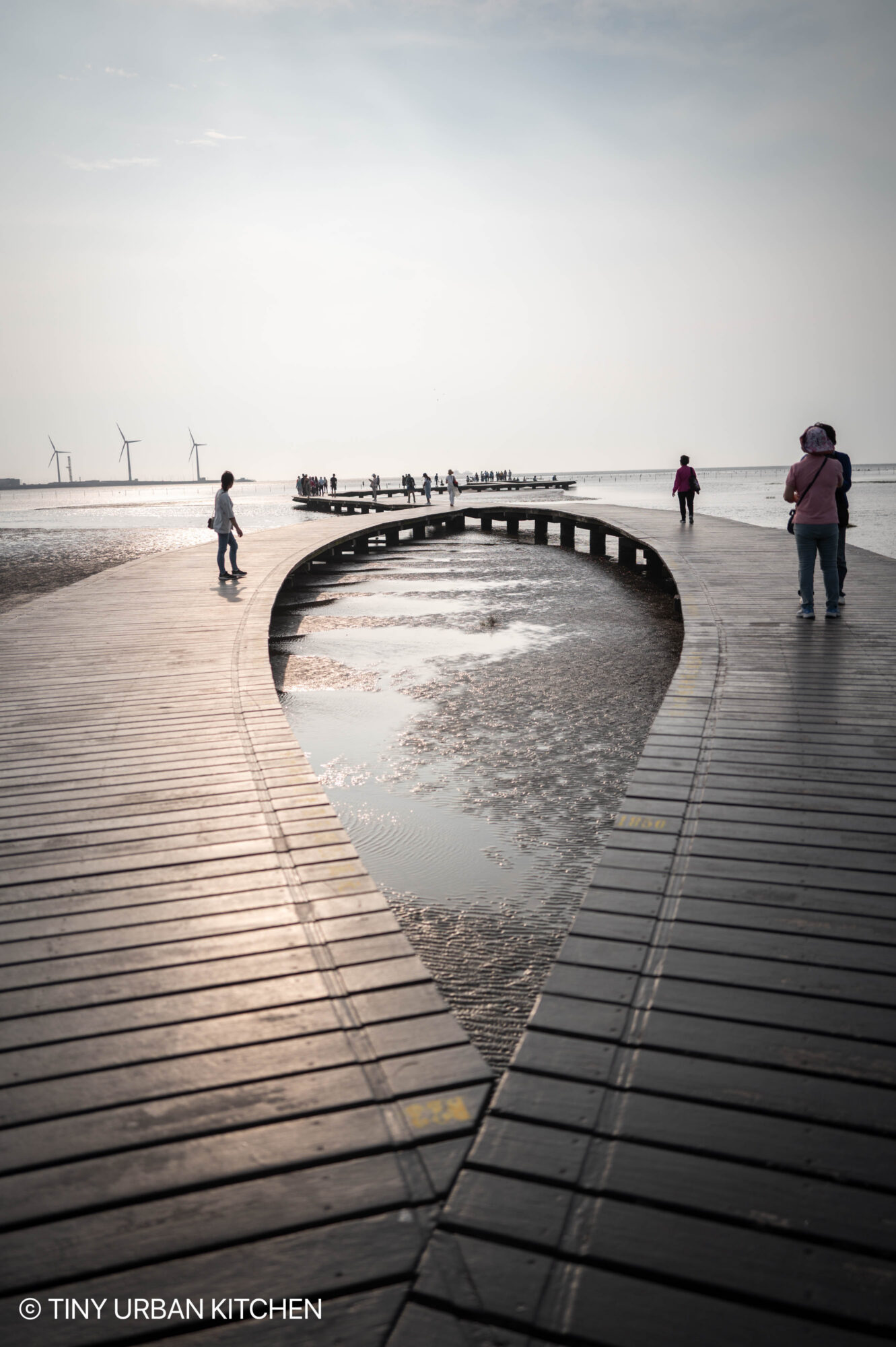
What a hidden gem! This place is popular with influencers because you can take some pretty dramatic reflection shots, especially during sunset. During low tide, the thin layer of water over the mudflats creates a perfect reflection of the sky and the wind turbines.
My uncle and aunt, despite being locals, admitted that they had never been here during sunset. "Too crowded". We similarly left right as the sun was starting to come down and the tour buses began arriving in droves.
Diversity of Wildlife
Not only are the views really pretty, the diversity of wildlife is really amazing too. The boardwalk allows you to walk right above the tidal flats, where you can see migratory birds, mudskippers, and fiddler crabs.
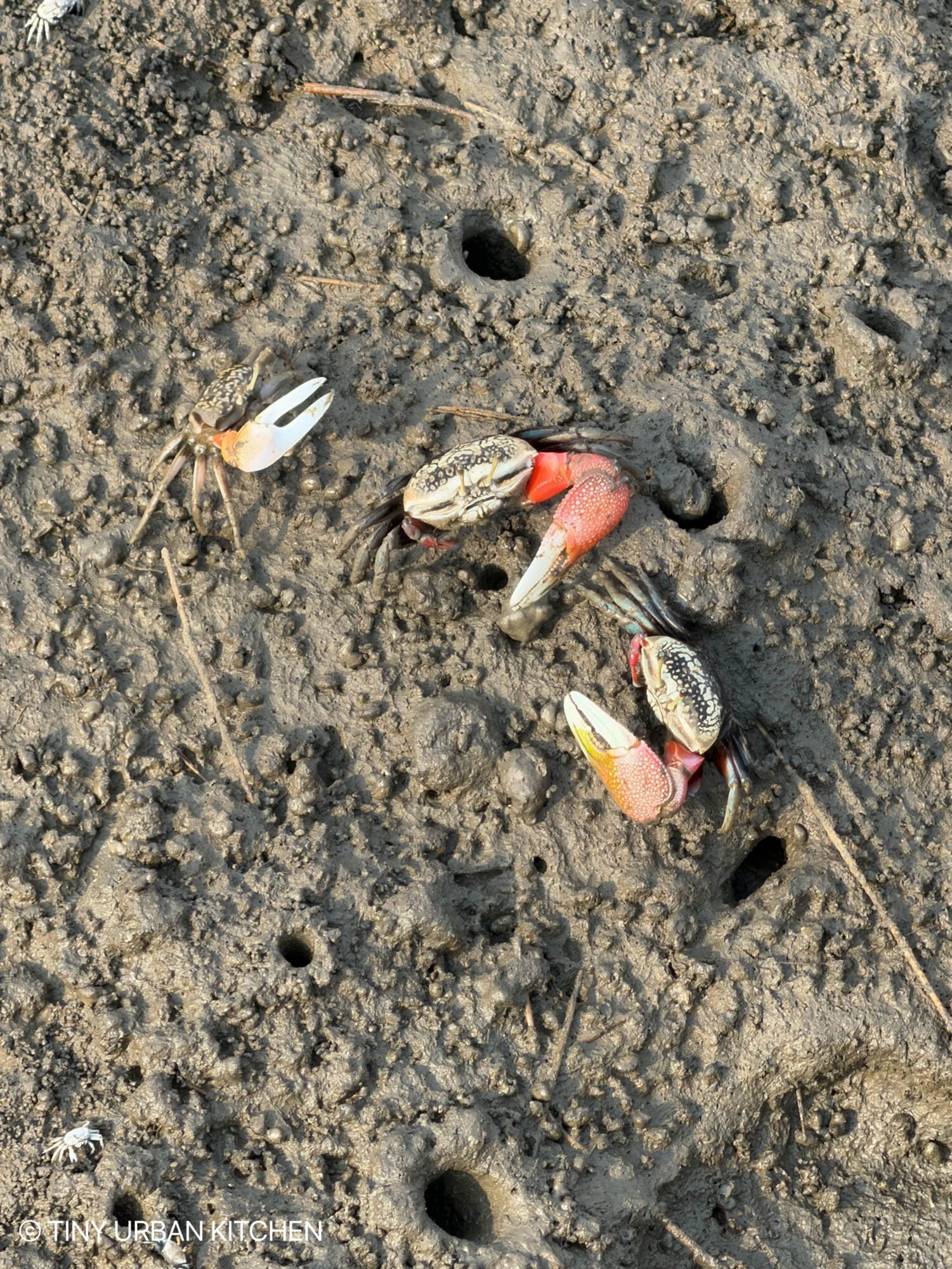
I'd never seen this cute one-clawed tiny crab before. Some of them are "right clawed" and some of them are "left clawed". Apparently they are called "fiddler crabs" because the big claw together with the small claw looks a bit like a violin (fiddle). Only the males have the over-sized single claw!
So interesting!
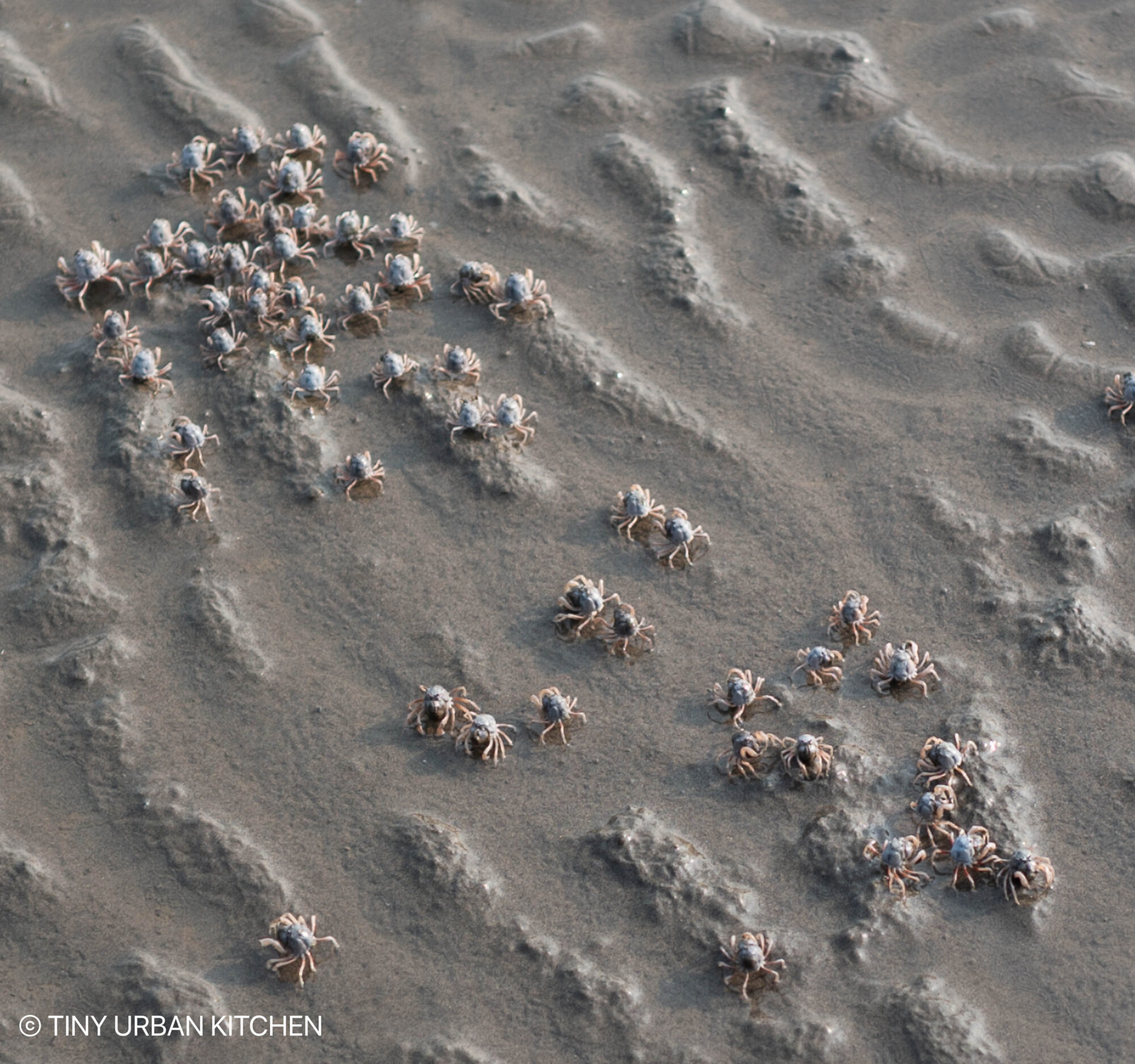
It's amazing how many thousands of these little crabs you can see in this conservation area. It's really quite fascinating, and a bit therapeutic to just walk along this long boardwalk, exploring nature at your leisure.
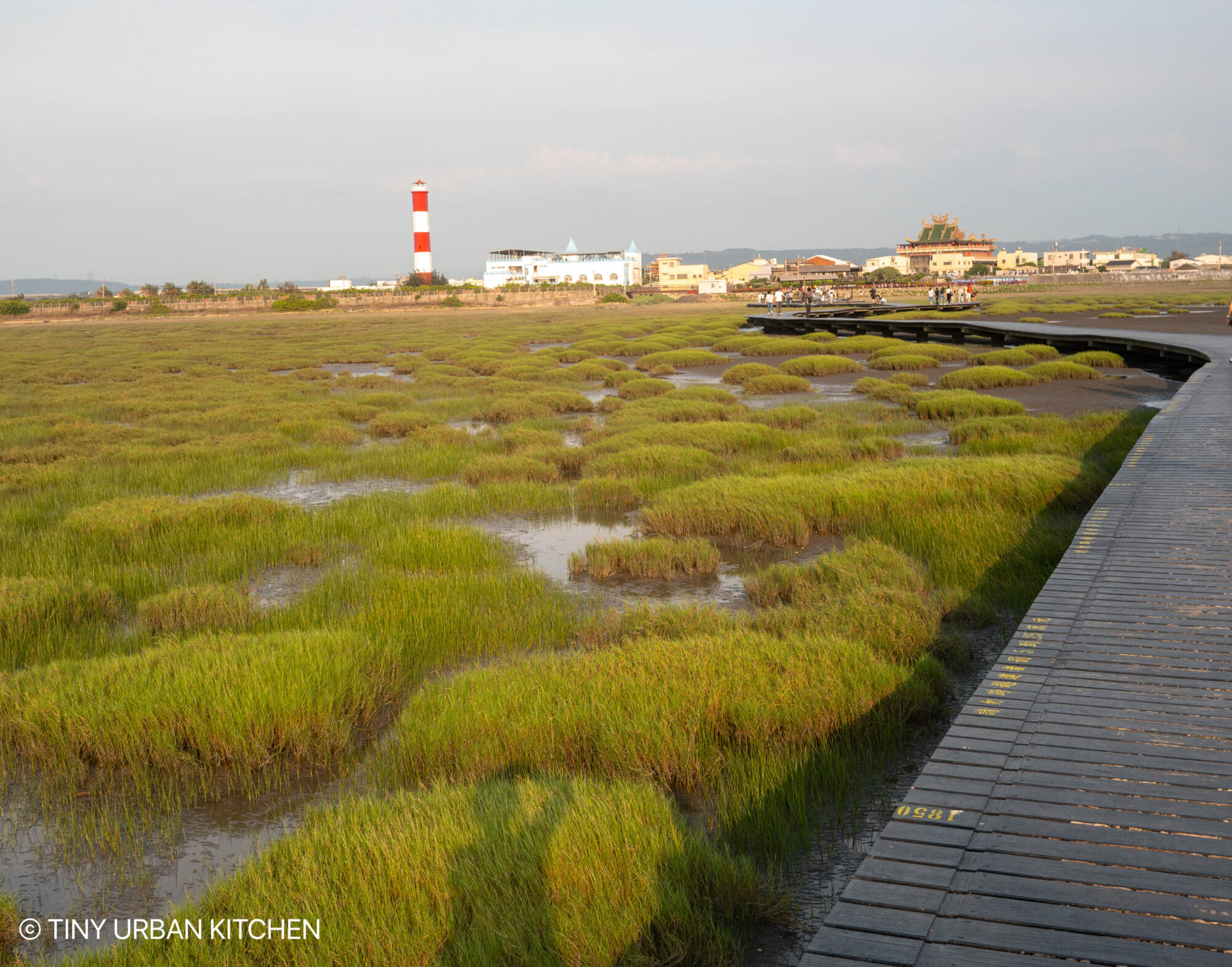
During sunset the light becomes quite golden, and the whole place takes on a warmer vibe. During low tide (which is typically in the afternoon between 2PM and 8PM), you can even walk out onto the water. It looks like you are walking on water, but the water is only about 1 inch, so you really won't get wet at all.
It was so peaceful to walk out onto the water during low tide.
I can see my uncle's wisdom in taking me here during the early afternoon (on a weekday) when it was quiet. When the school buses and large tours started arriving close to sunset, we quietly slipped away back to our car and left with our own memories of that beautiful place.
Stop 2: 921 Earthquake Museum of Taiwan
On September 21, 1999, one of the biggest earthquakes this century to hit Taiwan struck in the middle of the night. My mom just happened to be visiting Taiwan during that time. She was in Taichung at home when the violent shaking began. She quickly ran to hide under a doorframe. Suddenly, a violent rumble caused the electricity to go out. Their front gate, which was operated by electricity, was closed. She braced herself under the doorframe. The earthquake went on for 45 minutes before it finally quieted down. And then . . . The aftershocks began.
I had just started working as a research chemist. I distinctly remember hearing the news and being worried sick about my mom. It was SUCH a relief to find out that my relatives were all OK. Not everyone was.
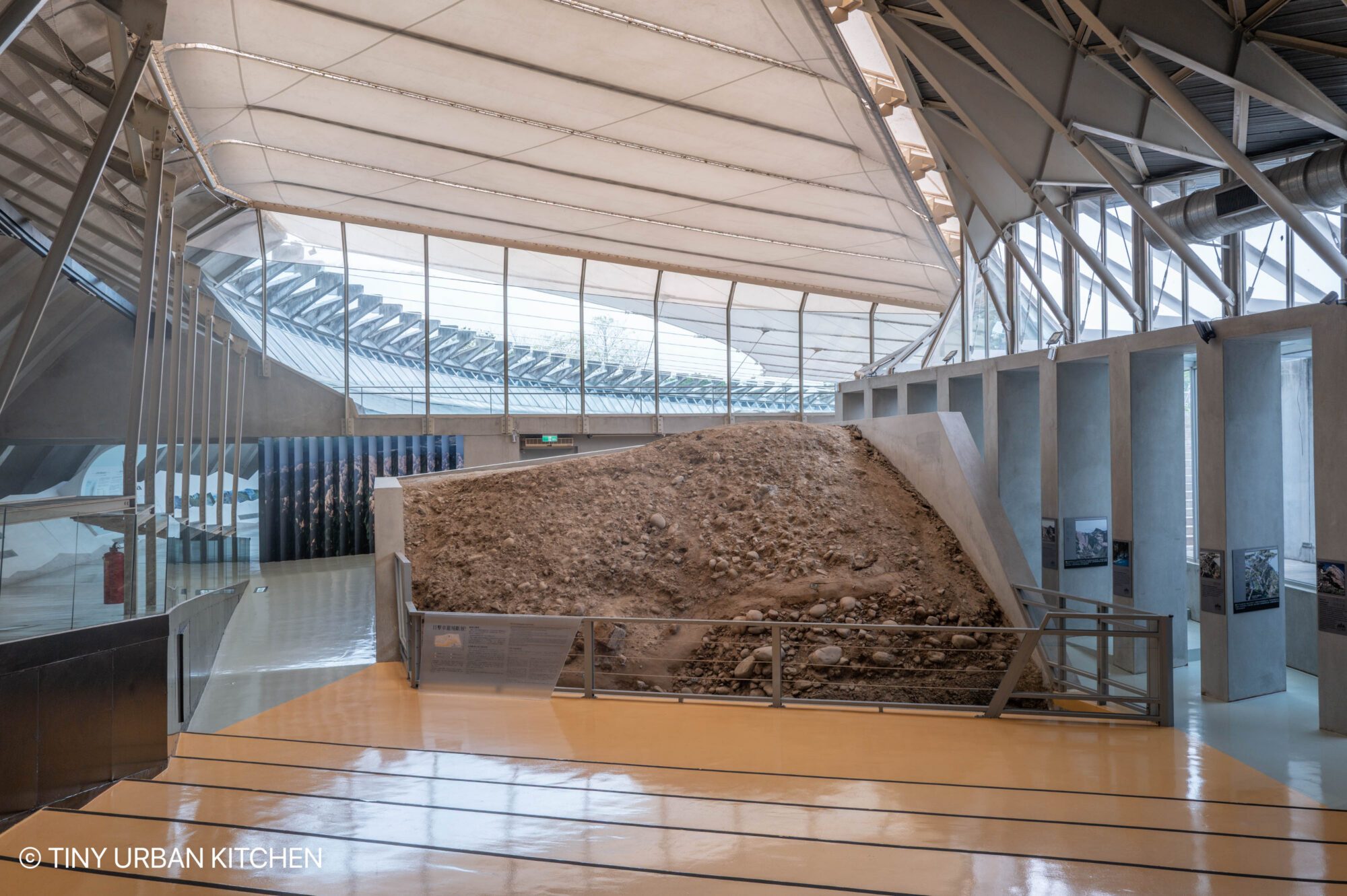
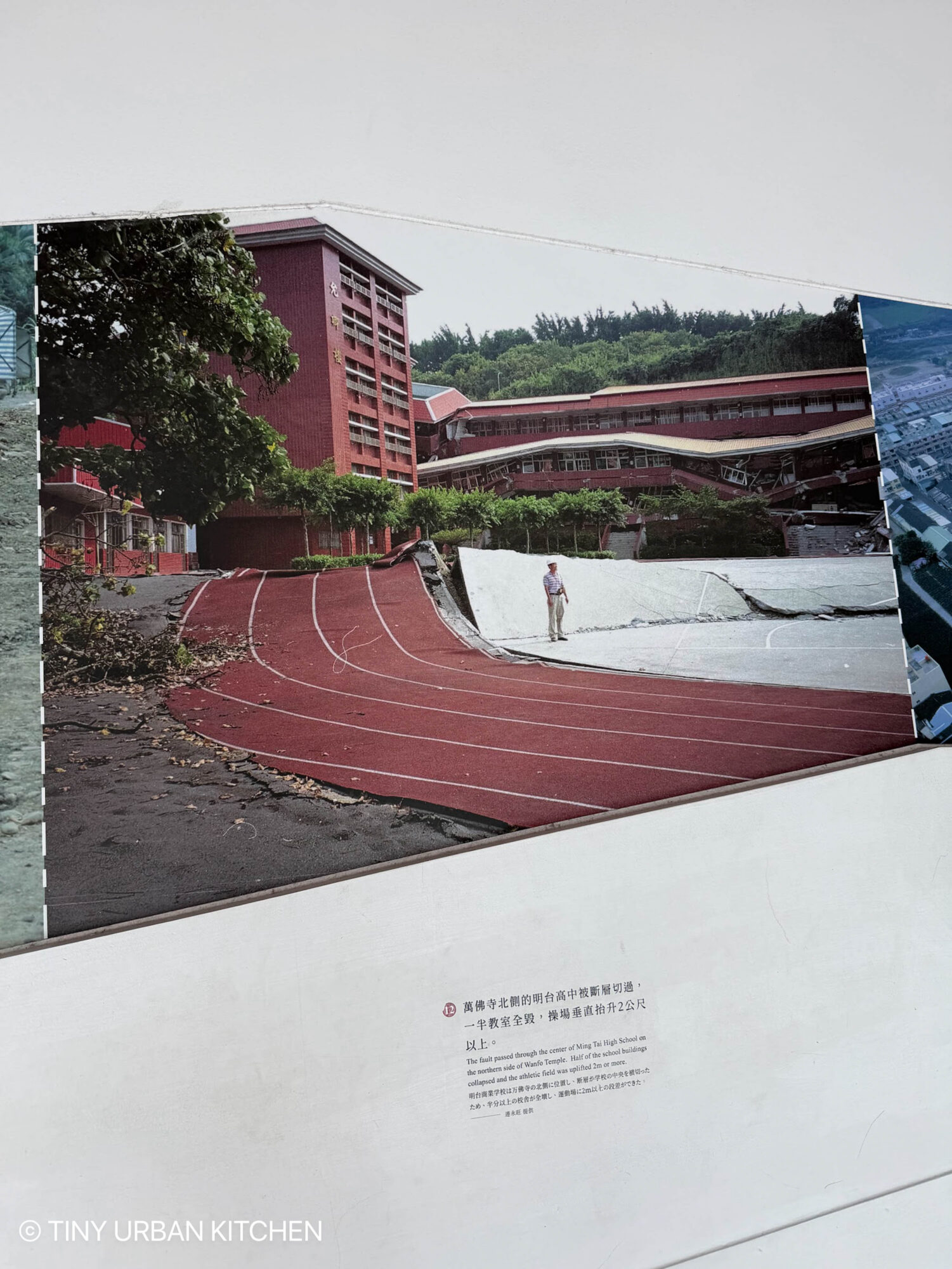
During this trip, my uncle took me to the 921 Earthquake Museum in Taichung. It’s located at a school that had collapsed during the earthquake. My uncle said it was a good thing that the earthquake happened at night when none of the kids were in school. Otherwise, it may have been much, much worse.
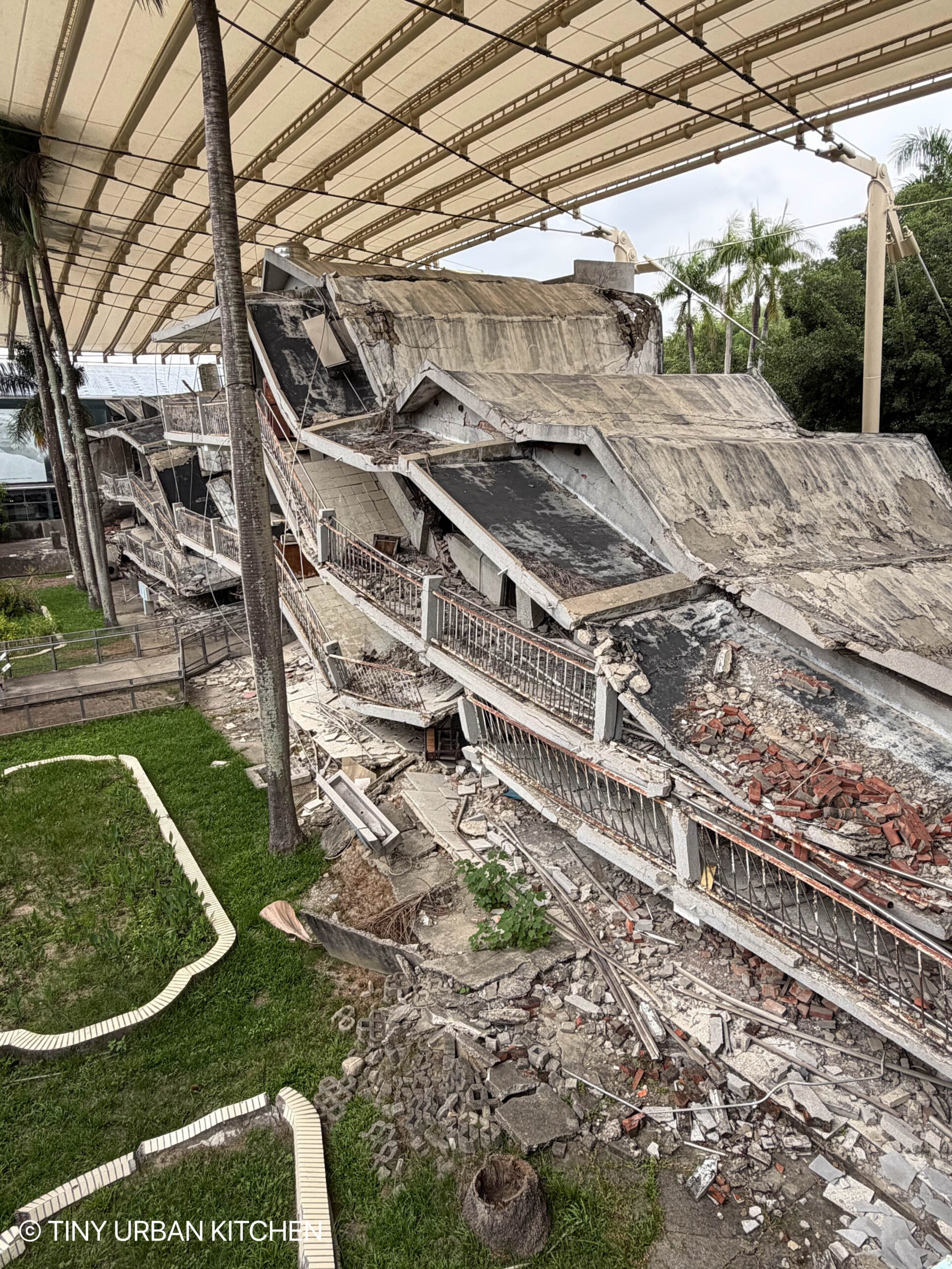
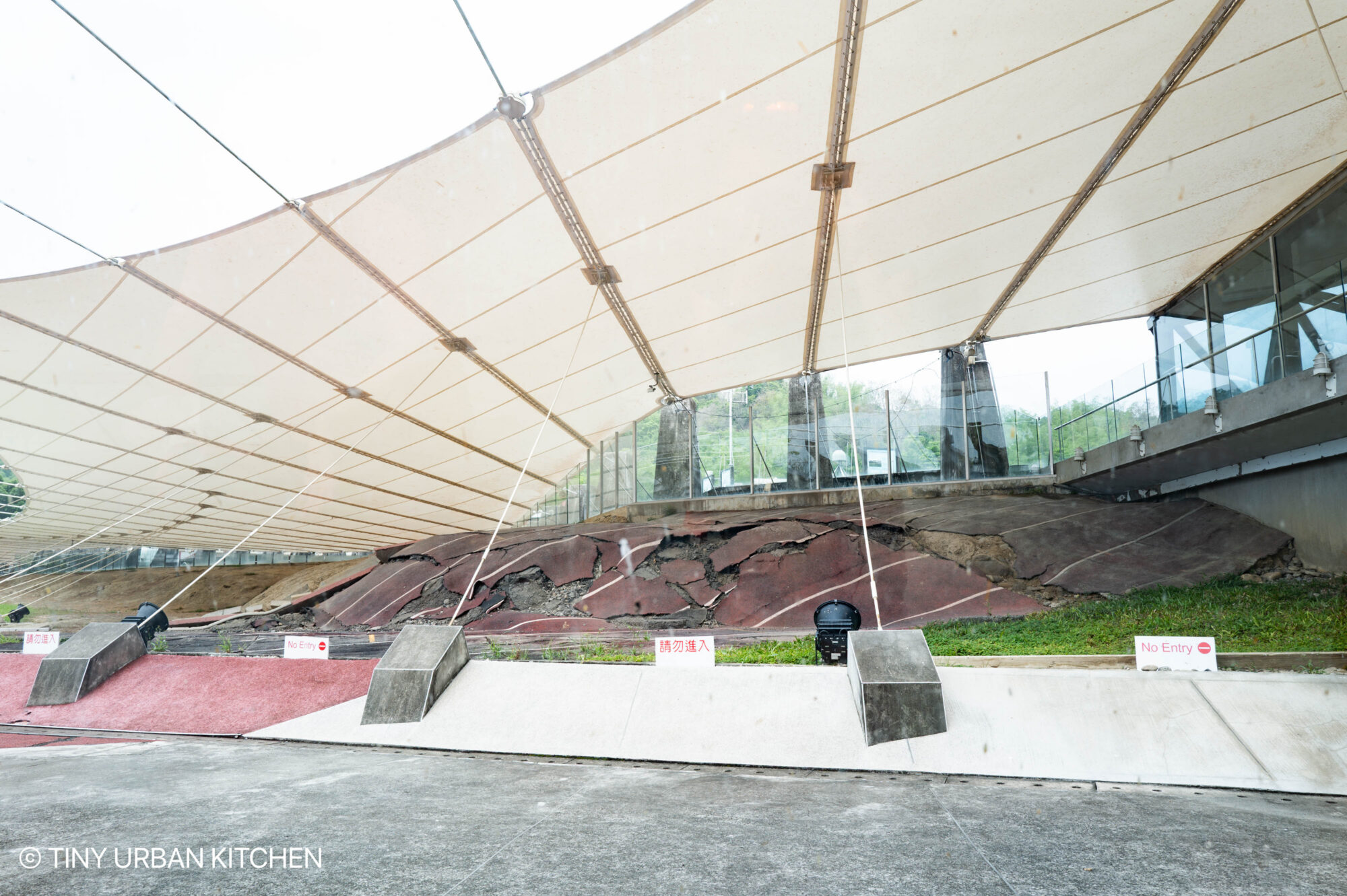
“God really cares about Taiwan” said my Uncle.
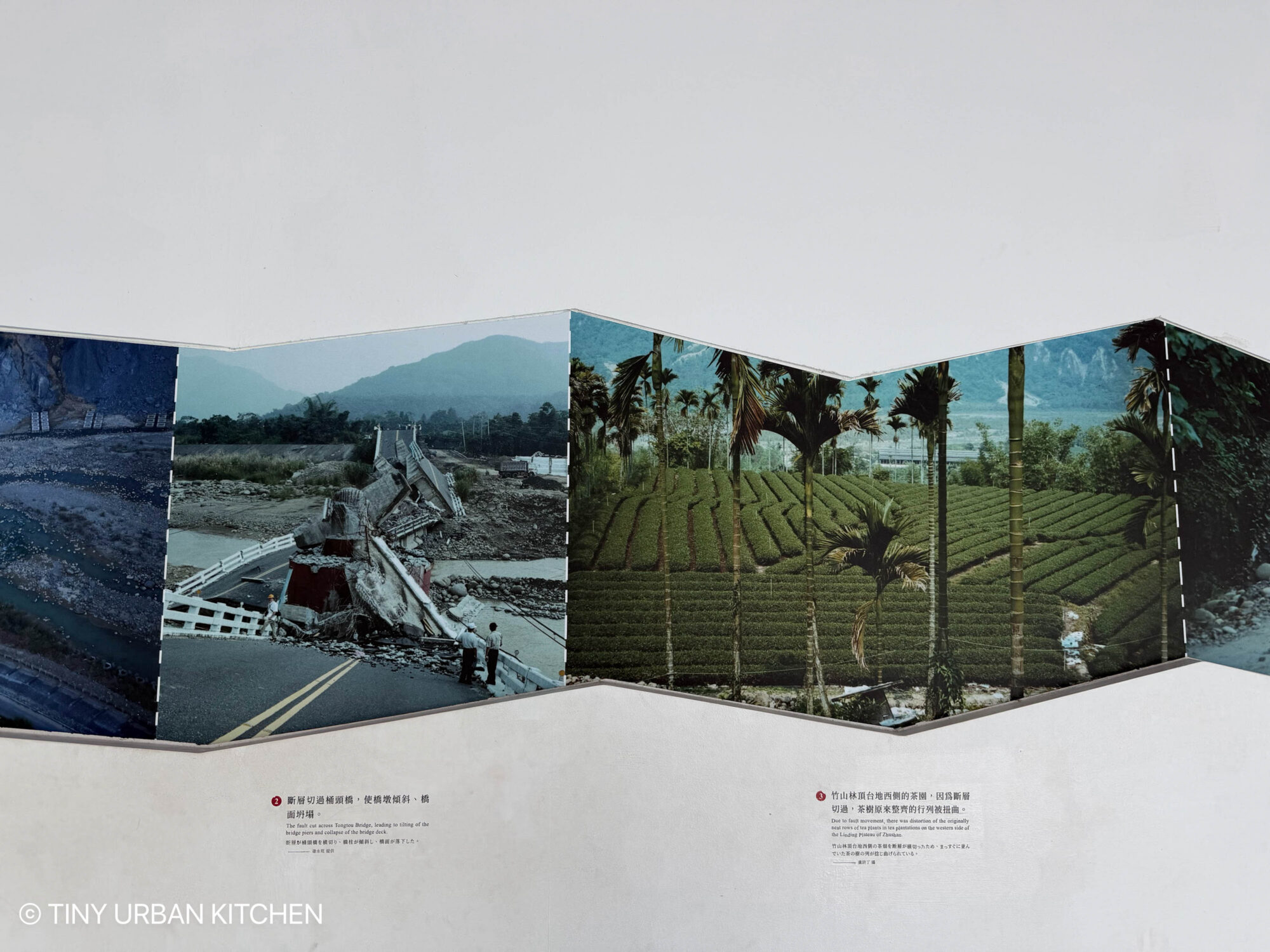
I learned a lot about earthquakes, and it’s a bit crazy to see how an earthquake can really violently change the landscape so quickly in such a short amount of time. The land cracked open in some places, rose up about a meter in others. Bridges broke in half, weaker buildings collapsed . . . .
At the end, we experienced an earthquake simulation that emulated what the 921 (September 21) earthquake may have felt like. For me, the simulation brought me back to 1999 as I imagined my mom bracing herself under the doorframe, just waiting for the shakes to stop.
GuanoFu New Village
This cute shopping area is filled with artsy boutiques selling things like handcrafted goods, artisanal foods, coffee, and more!
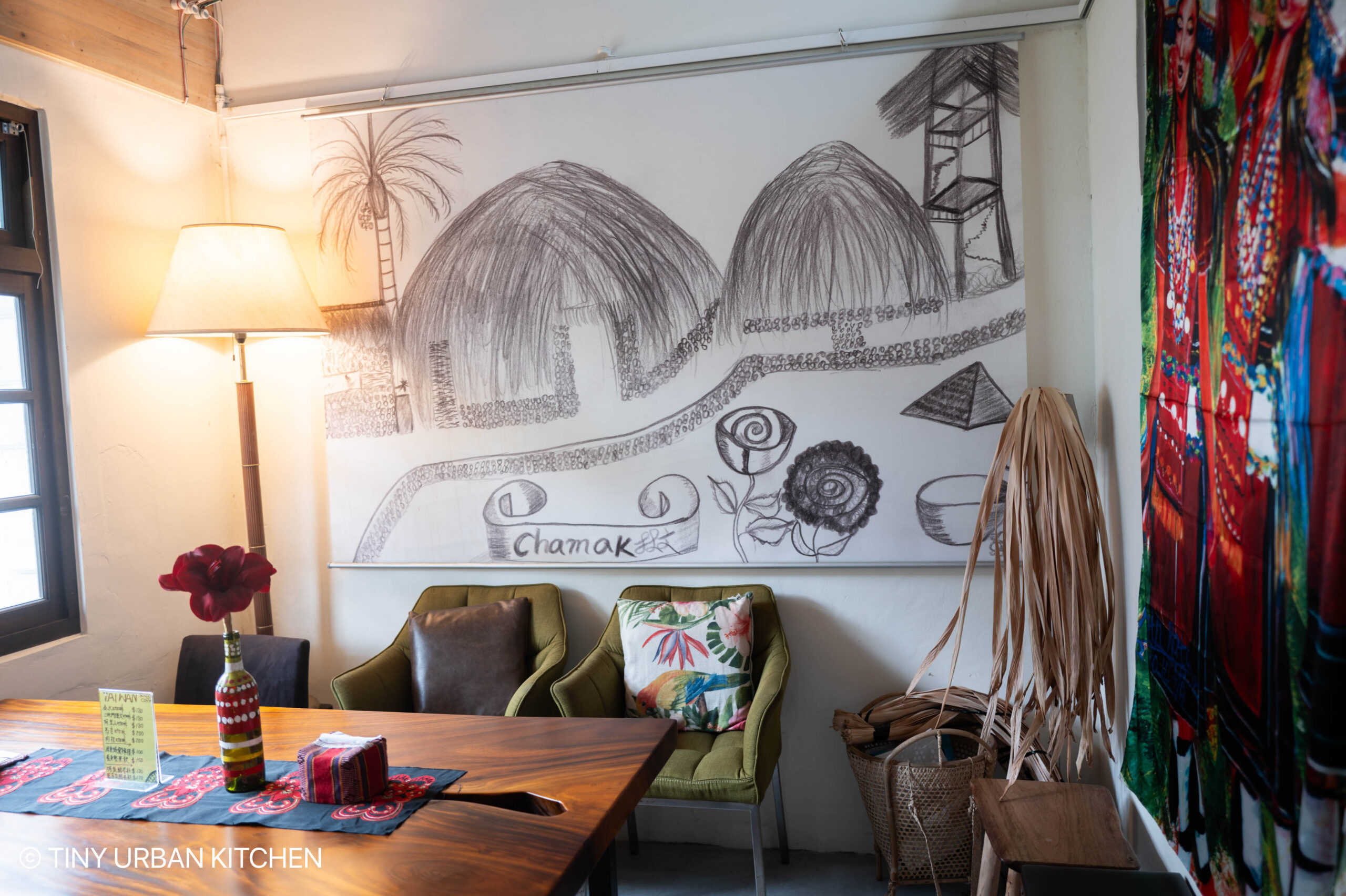
We met an Aboriginal guy named Chamak who is a singer, artist, and coffee shop owner! He was so kind, giving us free samples of his housemade lemonade ("lemons were picked from my backyard!") and trying to speak multiple languages with us.
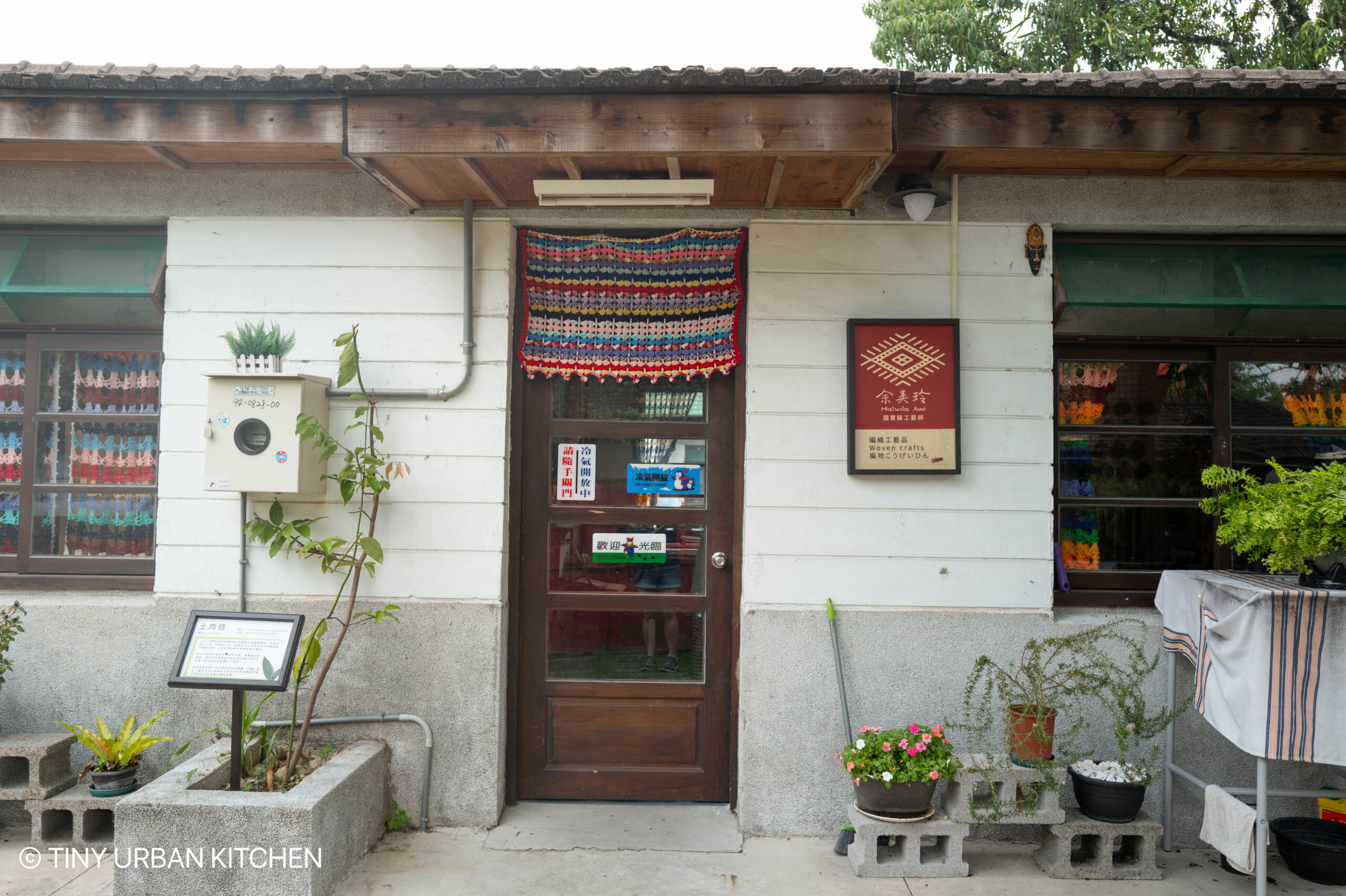
We also visited a shop selling a particular type of woven fabric made from one particular Aboriginal tribe. There were fewer and fewer people who had the patience to learn the craft, and we met a woman from the older generation who was trying her best to teach the next generation.
I bought a small woven bag as a memento of our visit.
Toujiang Fan
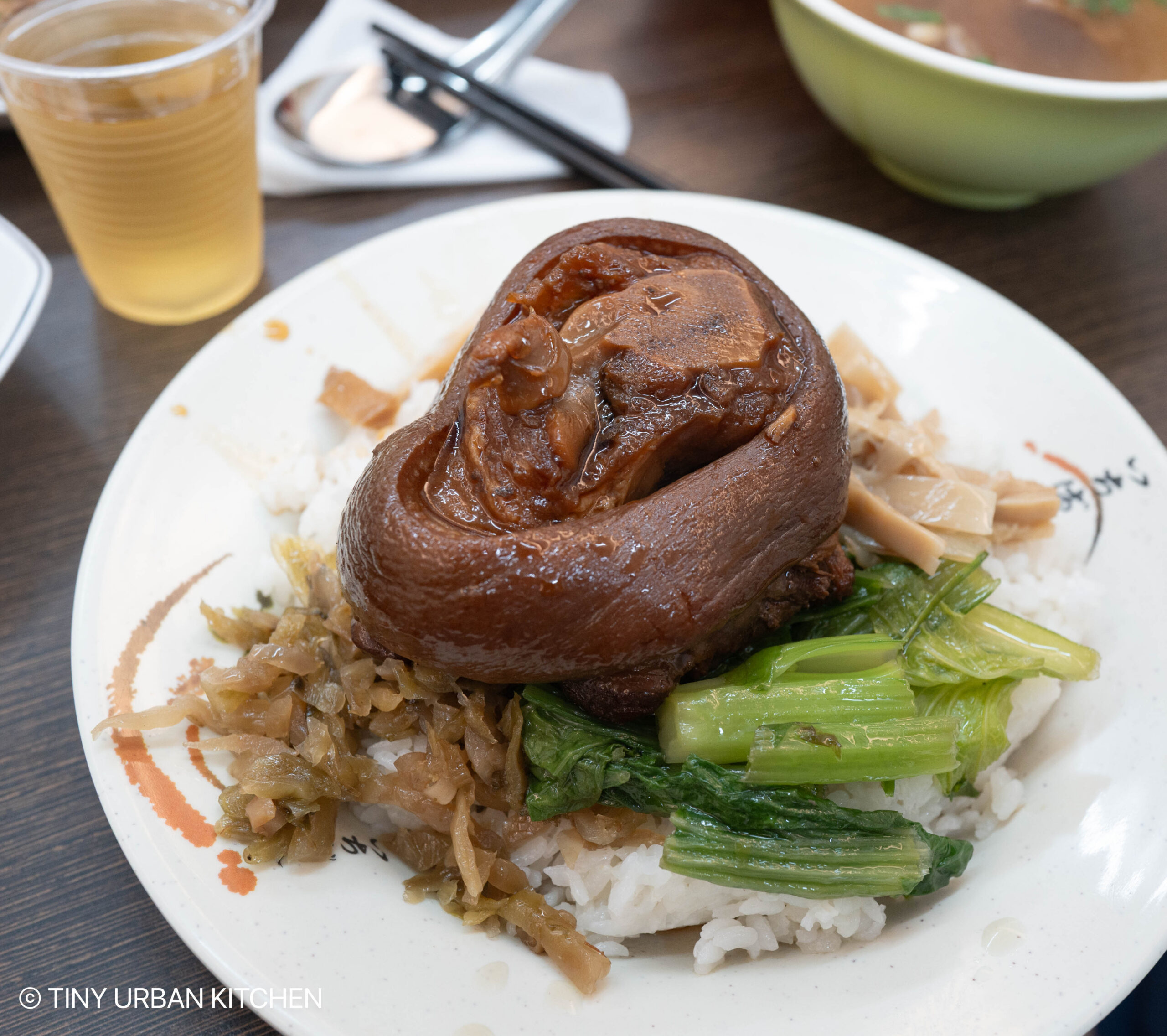
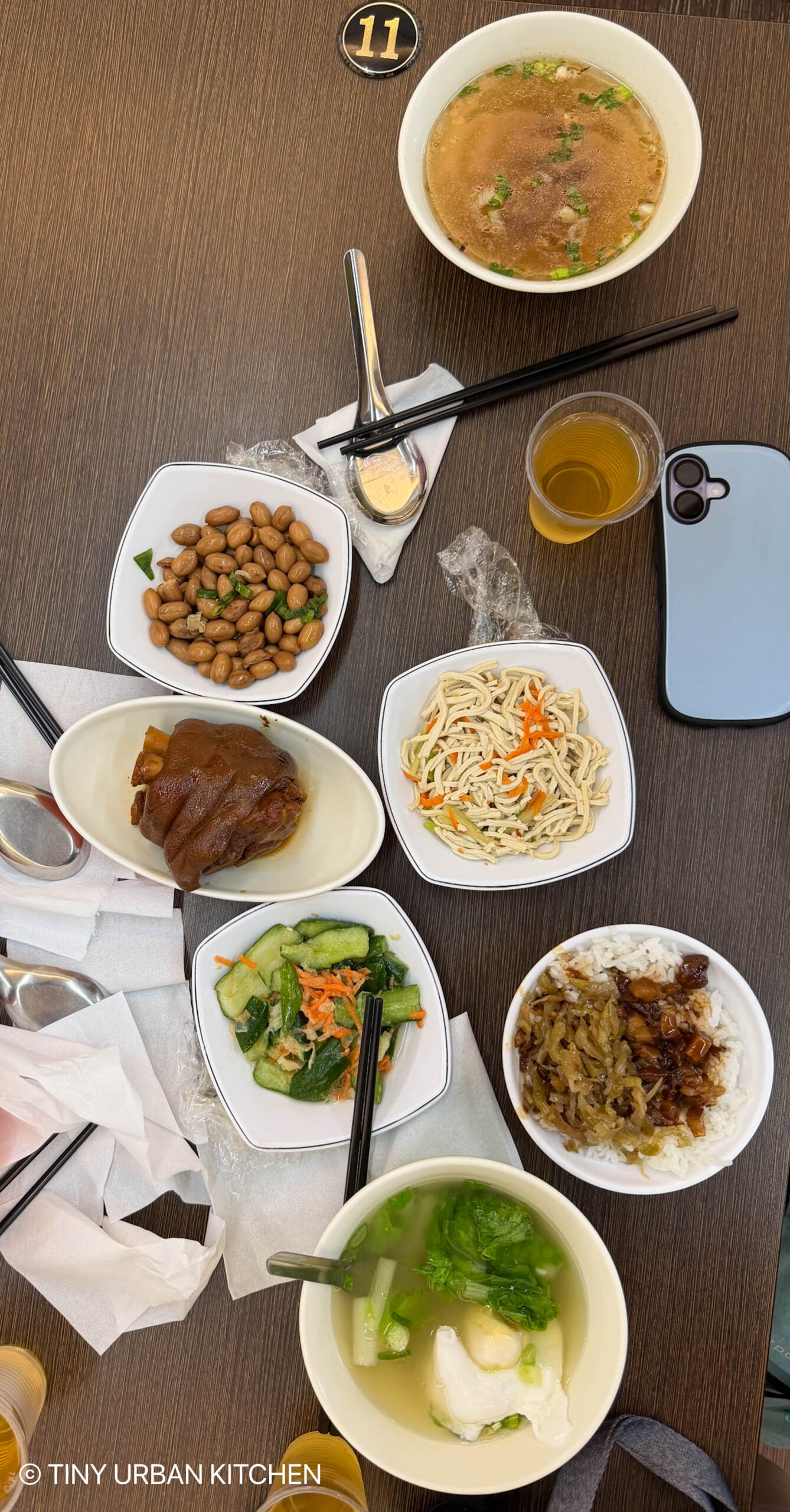
We randomly found this “hole-in-the-wall” traditional Taiwanese eatery because we were hungry. Turns out the food was quite nice (and very, very reasonably priced). The braised pork hoc was amazing, as was the braised pork over rice (滷肉飯). The side dishes (USD$1 each) were fine, and the soups were simple yet heartwarming and “hit the spot” satisfying.
Up next, Day 2 of our whirlwind tour!